


After an accident in New York, the next steps often involve medical treatment, incident reporting, insurance communication, evidence collection, and deadlines. The process can vary depending on whether the accident involved a car crash, fall, workplace injury, construction site incident, dog bite, pedestrian accident, or another serious injury event. People trying to understand their options may review guidance from New York personal injury lawyers to better understand how accident claims are generally evaluated.
Quick Answer
After an accident in New York, the injured person should prioritize medical care, report the incident when required, preserve evidence, notify the correct insurance company, keep records of medical treatment and lost income, and watch all applicable deadlines. Some cases involve no-fault insurance, workers’ compensation, property owner liability, or government notice requirements. The exact process depends on the accident type, injury severity, responsible parties, and available evidence.
Key Takeaways
- Medical care should come first, even if symptoms seem minor at the scene.
- Accident reporting rules can vary by accident type.
- Photos, videos, witness details, incident reports, and medical records can become important evidence.
- New York car accidents may involve no-fault insurance deadlines.
- Some injury claims generally have a three-year statute of limitations, but shorter deadlines can apply.
- Claims involving government entities may require a notice of claim much earlier.
- Settlement value depends on liability, injury severity, treatment history, insurance coverage, and long-term impact.
Step 1: Get Medical Care First
Medical care is the most important first step after any serious accident. Injuries are not always obvious immediately. A person may feel shocked, embarrassed, or full of adrenaline at the scene, then develop pain hours or days later.
Common delayed symptoms may include:
- Neck pain
- Back pain
- Headaches
- Dizziness
- Numbness or tingling
- Shoulder or knee pain
- Trouble sleeping
- Confusion
- Limited movement
- Worsening soreness
Medical records create a timeline. They show when symptoms began, what body parts were injured, what tests were ordered, what treatment was recommended, and whether the injury affected work or daily life. Without medical documentation, an insurance company may argue that the injury was unrelated, minor, or not supported by objective evidence.
Prompt care is especially important after car crashes, falls, construction accidents, workplace injuries, pedestrian collisions, and incidents involving head trauma or back injuries.
Step 2: Report the Accident Properly
Reporting requirements depend on the type of accident. A car crash, store fall, workplace injury, construction site incident, dog bite, or public property injury may each require different reporting steps.
For motor vehicle crashes, the New York DMV crash report guidance explains that a reportable crash includes a fatality, personal injury, or property damage over $1,000 to any one person. The DMV also states that a qualifying crash must be reported within 10 days.
For workplace injuries, the injured worker should usually notify a supervisor and create a written record of the incident. For falls in businesses, apartment buildings, sidewalks, parking lots, or public places, the injured person should request that an incident report be created when possible.
Reporting matters because it creates a record close to the time of the accident. A late report can give an insurer or opposing party room to question whether the accident happened as described.
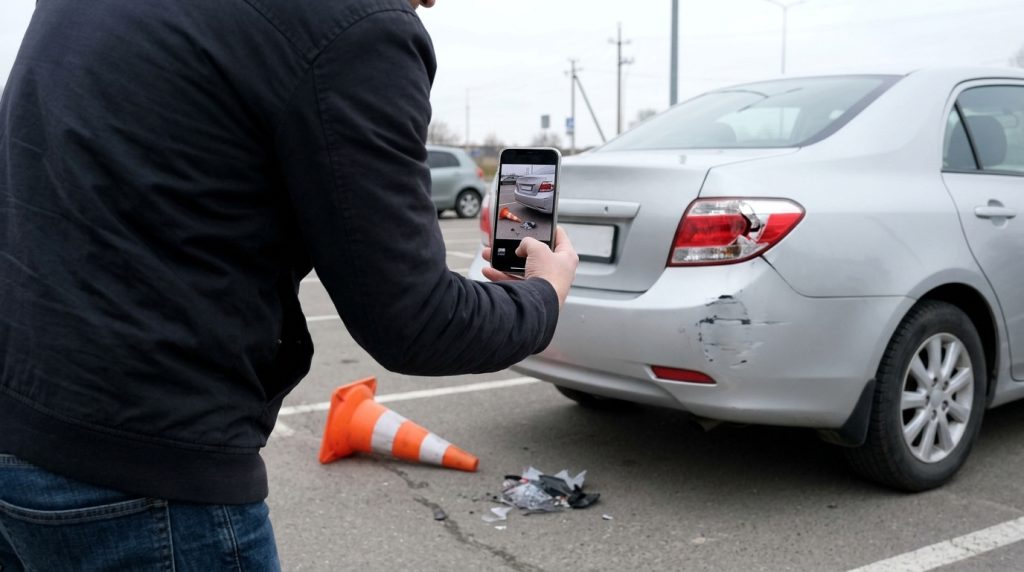
Step 3: Preserve Evidence Before It Disappears
Evidence can disappear quickly after an accident. Vehicles are repaired, dangerous conditions are fixed, surveillance footage is overwritten, witnesses leave, and job sites change from day to day.
Strong evidence may include:
- Photos of the accident scene
- Videos of the hazard, vehicle damage, or injury location
- Police reports
- Incident reports
- Witness names and contact details
- Surveillance or dashcam footage
- Medical records
- Repair estimates
- Safety reports
- Maintenance records
- Work schedules
- Insurance letters
- Receipts and bills
- Proof of missed work
The type of evidence depends on the accident. A slip and fall claim may need photos of the floor, stairs, sidewalk, lighting, snow, ice, or liquid. A car crash may need vehicle damage photos, police reports, and no-fault forms. A construction accident may need site photos, safety logs, equipment records, and witness statements.
Step 4: Understand Which Insurance System Applies
Insurance can be one of the most confusing parts of the post-accident process. The correct insurance path depends on the accident type.
A car accident may involve no-fault insurance. A workplace injury may involve workers’ compensation. A fall at a business may involve commercial liability insurance. A dog bite may involve a homeowner’s or renter’s policy. A construction accident may involve multiple insurers if several contractors or companies were involved.
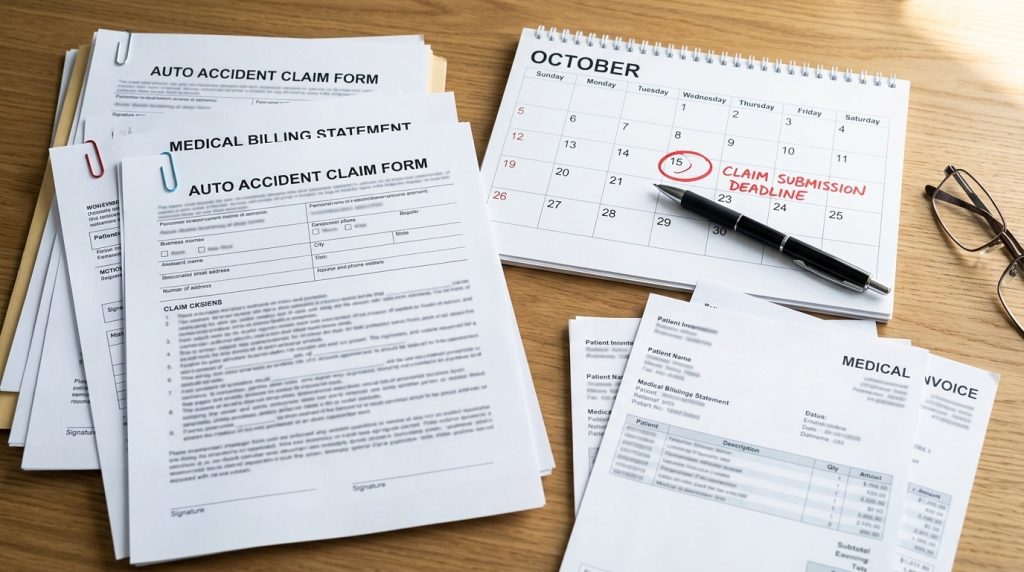
For New York car accidents, the New York Department of Financial Services no-fault guidance explains that written notice of a no-fault claim generally must be submitted within 30 days after the accident, unless there is a clear and reasonable justification for late notice. This deadline can matter even before a lawsuit is considered.
Because insurance rules differ by claim type, accident victims should keep every letter, form, claim number, adjuster name, email, bill, and denial notice.
Step 5: Know the Difference Between a Claim and a Lawsuit
An accident claim does not always begin as a lawsuit. Many cases start with an insurance claim. The injured person, attorney, or representative may notify the insurer, submit documentation, gather medical records, evaluate damages, and attempt settlement.
A lawsuit is usually filed when the case cannot be resolved through the claim process or when filing is necessary to protect legal rights before a deadline expires.
The general injury claim process may involve investigation, treatment, evidence review, insurance communication, settlement negotiation, and litigation if needed. The exact path depends on the facts, injury severity, and whether responsibility is disputed.
Step 6: Watch New York Legal Deadlines
Deadlines can change the entire case. The New York Courts statute of limitations timetable lists three years for many negligence-based personal injury claims. However, this does not mean every injured person has three years in every situation.
Some cases have shorter deadlines. Claims involving government entities, public authorities, municipal vehicles, public sidewalks, public schools, public buses, or government-owned property may involve notice requirements. New York’s General Municipal Law § 50-e generally requires a notice of claim within 90 days in certain tort claims against public corporations.
This is why injured people should not rely on general deadline assumptions. The responsible party, accident location, and type of claim can affect timing.
Step 7: Track Medical Treatment and Recovery
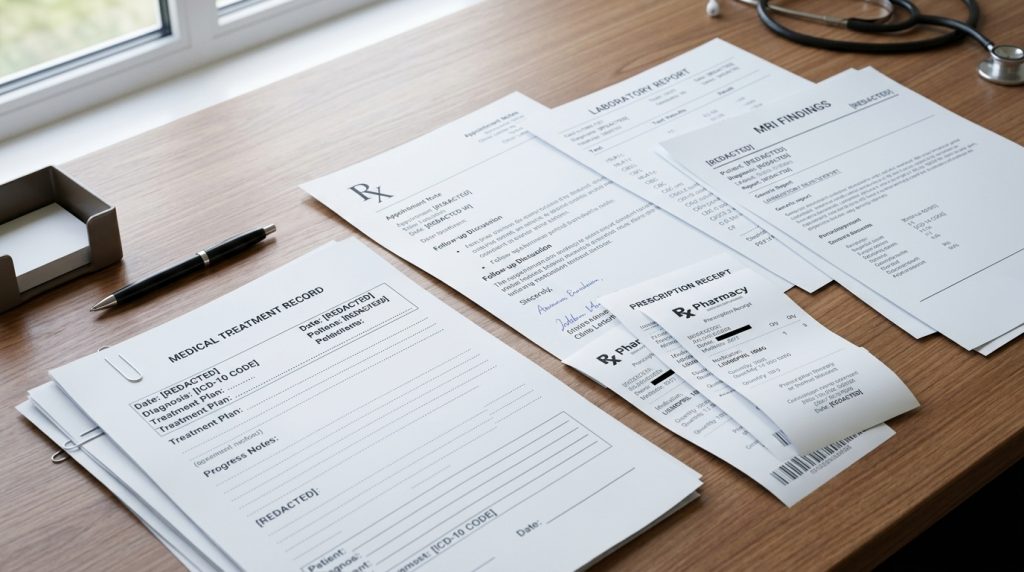
Medical treatment does more than help recovery. It also helps document the injury. Treatment records may show pain levels, physical limitations, diagnostic findings, therapy progress, surgery recommendations, medication use, and work restrictions.
Important records may include:
- Emergency room records
- Urgent care records
- Primary care notes
- Orthopedic reports
- Neurology reports
- Physical therapy notes
- Imaging results
- Surgical reports
- Prescription records
- Disability notes
- Work restriction letters
Consistency matters. Missed appointments, long gaps in treatment, and incomplete medical explanations can create disputes. This does not automatically defeat a claim, but it can make the injury harder to prove.
Step 8: Document Lost Income and Daily Impact
Accidents often cause losses beyond medical bills. Injured people may miss work, lose overtime, need help with household tasks, cancel plans, experience pain during normal activities, or face long-term limitations.
Useful documentation may include:
- Pay stubs
- Tax records
- Employer letters
- Missed work schedules
- Disability forms
- Medical work restrictions
- Receipts for out-of-pocket costs
- Travel expenses for treatment
- Notes about daily pain and limitations
The more serious the injury, the more important this documentation becomes. Lost earning ability, future treatment, permanent limitations, and long-term pain can affect claim value.
Step 9: Be Careful With Insurance Adjusters
Insurance adjusters may ask for statements, medical authorizations, photos, forms, and settlement discussions. These communications should be handled carefully.
An injured person should avoid guessing about facts that are not yet clear. For example, it is risky to estimate speed, accept blame, downplay injuries, or say “I am fine” before medical treatment is complete. Early statements can later be used to challenge the claim.
Quick settlement offers can also be risky. A fast offer may not include future medical care, long-term wage loss, delayed symptoms, permanent impairment, or pain and suffering. Once a claim is settled, it may be difficult or impossible to reopen it for more money later.
Step 10: Understand How Fault May Be Evaluated
Fault depends on the accident type. In a car crash, fault may involve traffic laws, driver behavior, vehicle damage, photos, video, police reports, and witness statements. In a fall case, fault may involve property maintenance, notice of the hazard, inspection routines, and whether the condition was visible or preventable.
In a construction accident, fault may involve site control, contractor responsibilities, safety rules, equipment condition, and whether proper protection was provided. In a nursing home or negligent care case, fault may involve staffing, records, medical care, supervision, and facility procedures.
Fault is not always all-or-nothing. New York may allow responsibility to be divided among multiple parties. That means evidence can matter even when the injured person is accused of sharing some responsibility.
Step 11: Consider Whether the Case Involves Multiple Parties
Many accidents involve more than one potentially responsible party. A trucking accident may involve a driver, trucking company, maintenance provider, cargo loader, or vehicle manufacturer. A construction injury may involve a property owner, general contractor, subcontractor, or equipment company. A fall may involve a tenant, landlord, snow removal contractor, or maintenance company.
Multiple-party cases require deeper investigation because each party may have different insurance coverage, legal responsibilities, and evidence. Contracts, inspection logs, maintenance records, and company policies may become important.
Step 12: When Legal Guidance May Be Helpful
Legal guidance may be useful when injuries are serious, fault is disputed, insurance coverage is unclear, medical treatment is ongoing, a government entity may be involved, or an insurer makes a low offer. It may also help when evidence must be preserved quickly, such as surveillance footage, vehicle data, construction site records, or witness statements.
People looking for local claim resources may review personal injury attorneys near me pages to understand how accident reviews are usually started. For Long Island-related context, a Farmingdale legal office location may also be useful for readers researching nearby legal resources.
Common Mistakes After an Accident
Some post-accident mistakes can make a valid claim harder to prove.
Common mistakes include:
- Waiting too long to seek medical treatment
- Failing to report the accident
- Not taking photos or videos
- Losing witness contact information
- Giving recorded statements without understanding the issues
- Missing insurance deadlines
- Ignoring letters from insurers
- Posting accident details on social media
- Accepting a fast settlement too early
- Throwing away damaged property, footwear, equipment, or documents
- Assuming all accident claims follow the same deadline
Avoiding these mistakes does not guarantee a specific outcome, but it can protect the evidence needed to evaluate the claim properly.
FAQs About What Happens After an Accident in New York
What should someone do immediately after an accident in New York?
The first step is to check for injuries and seek medical help. After safety is addressed, the accident should be reported when required, evidence should be preserved, witness information should be collected, and insurance notice should be handled carefully.
Is medical care necessary if pain appears later?
Yes. Some injuries do not appear immediately. Neck pain, back pain, headaches, dizziness, numbness, and soft tissue injuries may develop later. Medical evaluation helps protect health and creates documentation connecting symptoms to the accident.
How long does an accident claim take?
The timeline depends on injury severity, medical treatment, liability disputes, insurance coverage, evidence, and settlement negotiations. Some claims resolve in months, while serious injury cases may take longer, especially if treatment is ongoing or a lawsuit becomes necessary.
What if the insurance company says the injured person is partly at fault?
A partial fault argument does not always end the claim. Evidence such as photos, videos, witness statements, police reports, medical records, and expert analysis may help challenge or reduce an unfair fault assignment.
Should someone accept the first settlement offer?
Accepting the first offer can be risky if the full medical impact is not known. A settlement may close the claim permanently. Future treatment, lost income, long-term pain, and permanent limitations should be considered before settlement decisions are made.
Final Thoughts
What happens after an accident in New York depends on the accident type, injury severity, insurance rules, evidence, and deadlines. The safest approach is to prioritize medical care, report the incident properly, preserve evidence, track expenses, avoid careless insurance statements, and pay attention to timing. Strong documentation can make the difference between a weak claim and one that clearly explains what happened, who may be responsible, and how the injury affected the person’s life.