
Leggings are comfortable. Most women own several pairs and reach for them without thinking when heading outdoors. But there are situations where leggings leave you exposed in ways that matter, and hiking pants do a better job.
This isn’t about one being superior across the board. It’s about knowing which conditions call for more coverage, more protection, and more structure.
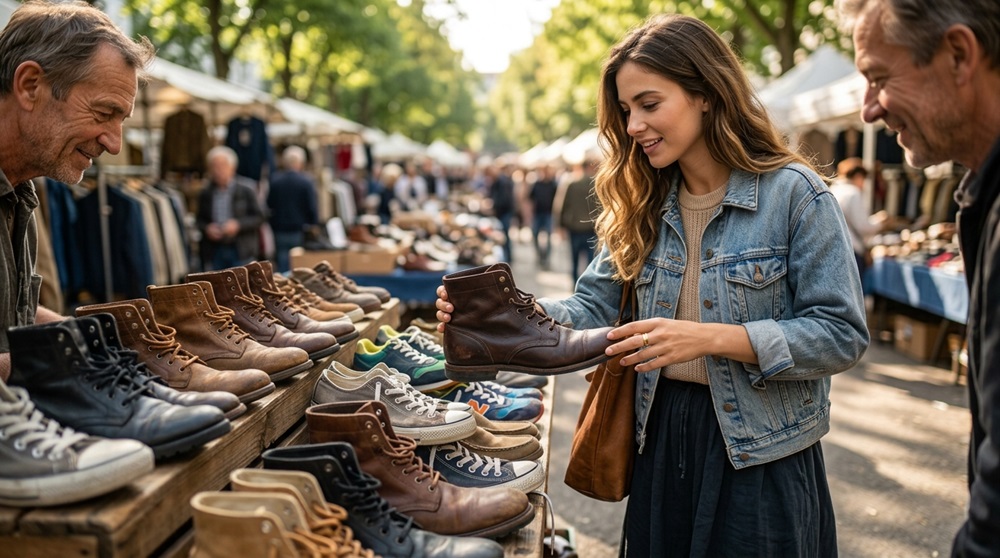
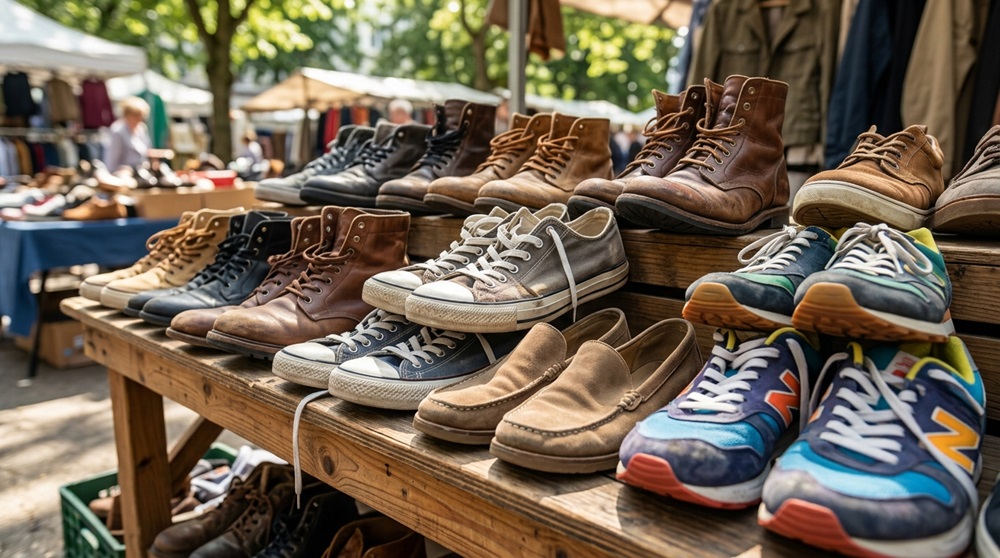
And if you’re the type who also thinks about gear budgets, you might even wonder where can you sell used shoes or old outdoor gear when you’re upgrading your kit. Same logic applies here: the right tool for the right situation.
Here’s when hiking pants make more sense than leggings.
Sun Protection on Open and Exposed Terrain
Standard leggings offer very little UV protection. Most have a UPF rating of 15 to 25 at best, and thinner fabrics offer even less. If you’re hiking in high-altitude terrain, desert trails, or open ridgelines where there’s no tree cover, that gap adds up fast.
Hiking pants designed for sun exposure typically carry a UPF 50+ rating. That means they block over 98% of UV radiation reaching your skin. You don’t need to reapply sunscreen to your legs every couple of hours, and you’re not dealing with patchy burns on areas where the fabric stretched thin.
Conditions where sun protection in pants matters most:
- Alpine hikes above the treeline where UV intensity increases with elevation
- Desert trails between 10 a.m. and 4 p.m.
- Snow-covered terrain, where UV reflects off the surface and hits you from below
- Multi-day trips where sunscreen logistics become a real consideration
- Coastal trails with no shade and strong reflected light off water
If your hike has you in direct sun for more than 2 hours of sustained exposure, pants with a solid UPF rating are worth it.
Brush Coverage in Dense Vegetation
Leggings give you next to nothing when you’re pushing through thick brush. Thin fabric against thorns, sharp grasses, low scrub, and brambles means scratches, snags, and sometimes small cuts. Over a long day, that adds up.
Hiking pants made from ripstop nylon or canvas blends handle brush contact far better. The fabric is thicker, more abrasion-resistant, and won’t snag or tear on the first contact with something sharp.
This matters most in:
- Off-trail routes through chaparral, dense scrub, or overgrown paths
- Pacific Northwest trails with heavy undergrowth
- Desert hikes with thorny vegetation like cacti, mesquite, or catclaw acacia
- Any trail that hasn’t been maintained recently and is growing in
You’ll also find that thick brush holds moisture in the morning. Wet branches and foliage against thin legging fabric means you’re soaked from the waist down pretty fast. Hiking pants with a DWR coating shed that moisture instead of absorbing it.
Insect Defense in High-Bug Environments
Leggings don’t stop insects. Mosquitoes in particular can bite right through thin synthetic fabric, especially when it’s pressed close to the skin. Ticks are a bigger problem. They can crawl up a legging and find exposed skin at the waistband or work their way under the fabric.
Hiking pants help in a few ways:
- Thicker fabric is harder for mosquitoes to bite through
- Full leg coverage with a secure ankle cuff reduces tick access points
- You can tuck pants into socks or boots, which cuts off the main tick entry route
- Some hiking pants come treated with permethrin or are sold pre-treated, which actively repels insects
If you’re hiking in tick-heavy areas like the Appalachian Trail corridor, the Upper Midwest, or any area with tall grass in summer, pants with ankle cuffs that tuck into boots are a real practical choice.
The same applies for mosquito-dense environments: marshes, wetlands, heavily wooded areas in humid climates, or any trail near standing water in the evening.
Professional and Guided Trail Settings
There are hiking contexts where your clothing affects how you’re perceived and how comfortable other people around you feel. Guided tours, ranger programs, educational hikes, field research trips, and corporate team-building trail events all fall into this category.
Leggings work for plenty of recreational hiking, but in professional trail settings, structured hiking pants read as more appropriate. They look like you came prepared. They communicate that you take the environment and the setting seriously.
This matters if you:
- Lead or co-lead guided hikes for a company or nonprofit
- Work in field research, conservation, or environmental education
- Are attending a multi-day outdoor professional development program
- Represent a brand or organization on a trail event
- Are meeting clients or stakeholders in an outdoor or semi-outdoor context
Hiking pants with a clean cut, neutral color, and functional pockets look polished without being formal. That’s a combination leggings rarely achieve.
A Few Practical Things to Check When Buying
Once you’ve decided pants are the right call, fit and function matter more than brand. Here’s what to look for:
- UPF rating: Go for UPF 40 or higher if sun protection is a priority
- Fabric weight: Lighter fabrics (under 150g per square meter) are better for warm weather; heavier fabrics handle cold and brush better
- Articulated knees: Pre-shaped knees make movement easier on long ascents and scrambles
- Ankle style: Straight leg or tapered with a cinch cord is better for bug protection than a fully open hem
- Zip-off legs: Useful if you start cold and warm up mid-hike, though the zippers add a small amount of weight
- Pocket placement: A thigh pocket or secure zippered hip pocket keeps your phone accessible without making you stop
FAQ
Are hiking pants cooler or hotter than leggings in summer?
It depends on the fabric. Lightweight hiking pants made from nylon or polyester with mesh-lined vents can actually feel cooler than thick compression leggings in direct sun, because the looser fit allows airflow and the UPF fabric blocks radiant heat. A thin pair of leggings against bare skin in strong sun can still leave you warm and exposed.
Can I wear hiking pants in cold or shoulder-season conditions?
Yes. Fleece-lined or softshell hiking pants work well in cold conditions. For shoulder season, a midweight nylon pant worn over a thin base layer gives you flexibility as temperatures change during the day.
Do hiking pants work for activities beyond hiking?
Most do. Trail running specific pants are cut differently, but general hiking pants work well for backpacking, camping, light scrambling, birdwatching, outdoor photography, and field work. They’re versatile enough for most non-technical outdoor use.
How do I care for hiking pants with a DWR coating?
Wash them in cold water on a gentle cycle. Avoid fabric softener, which breaks down the DWR coating over time. Tumble dry on low heat or air dry. If the water repellency fades, you can restore it with a DWR spray or wash-in treatment.
What’s the best way to deal with ticks even when wearing pants?
Tuck your pants into your socks or boot tops. Do a full tick check within 2 hours of finishing your hike, including behind the knees, around the waist, and in the hairline. Showering promptly after a tick-heavy hike also reduces risk. Pants reduce access but don’t eliminate the need to check.
Are there hiking pants designed for curvy or plus-size women?
Yes. Several outdoor brands now offer hiking pants in extended sizing with roomier thigh cuts and adjustable waistbands. Brands like Athleta, Columbia, REI Co-op, and Prana have expanded their size ranges in recent years. Fit varies by brand, so checking size guides before ordering online saves time.
How much should I spend on a good pair of women’s hiking pants?
You can find solid options between $50 and $90. Pants above $120 usually add features like articulated knees, premium stretch fabric, or integrated belt systems. For casual day hiking, the $50 to $90 range covers most needs without overspending.