
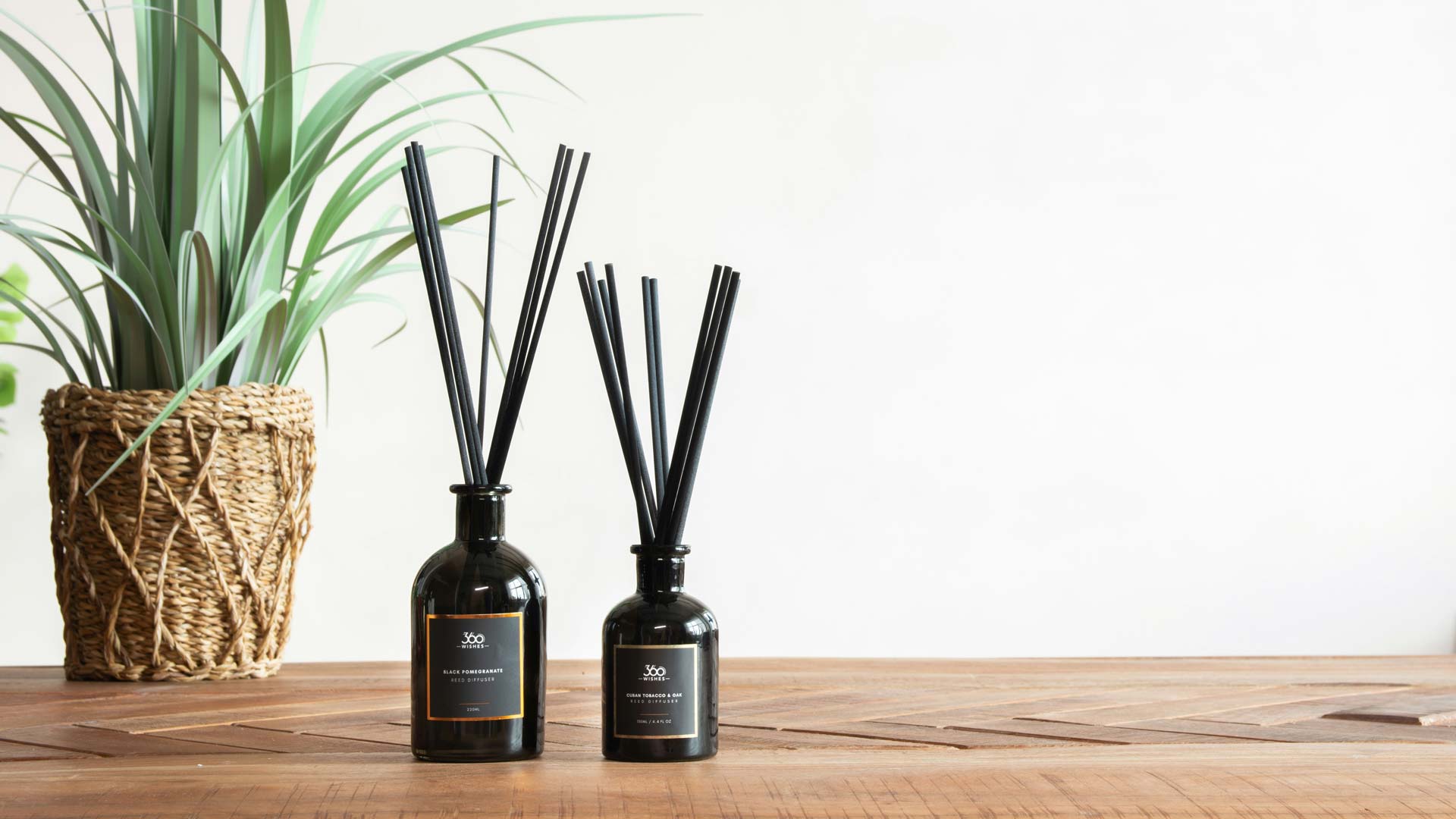

Fragrance is now a key part of many indoor spaces. In homes, offices, hotels, stores, and wellness centers, scent shapes how people feel and remember a place. Choosing the right aroma for your diffuser can make a space more inviting, feel cleaner, help people relax, and leave a positive impression.
Thanks to new fragrance technology, diffusers can spread scent evenly throughout a room or building. Still, how well a diffuser works depends a lot on the aroma you choose. Knowing about fragrance types, how scents perform, and the space itself helps you get the best results.
Understanding the Importance of Aroma in Indoor Spaces
Many people don’t realize how much scent can shape our feelings and memories. Research shows that fragrance can change our mood, comfort, and even what we buy. That’s why more businesses and property owners are choosing professional scenting solutions.
The right aroma for diffuser applications can help:
- Create a welcoming environment
- Enhance guest and customer experiences
- Improve workplace atmosphere
- Support relaxation and comfort
- Reinforce perceptions of cleanliness
- Strengthen brand identity in commercial spaces
Since scent is tied to memory, picking the right fragrance can make a space truly memorable.
What Makes a Good Aroma for a Diffuser?
Not all fragrances work the same in diffusers. The best aromas have a few key qualities:
Consistent Performance
A good fragrance keeps its scent over time instead of fading or changing after being diffused.
Balanced Intensity
A good scent should be easy to notice but not too strong. It should add to the space, not take over.
Long-Lasting Fragrance Profile
Some fragrance notes last longer than others. Scents with woody, musky, or amber tones usually stay around the longest.
Compatibility with Diffusion Technology
How a fragrance works can depend on the type of diffuser. Some systems, like cold-air, nebulizers, or ultrasonic diffusers, might need special fragrance blends.
Main Fragrance Families Used in Diffusers
Knowing about different fragrance families helps you pick the right scent for any space.
Citrus Aromas
Citrus scents are some of the most popular options for diffusers.
Common examples include:
- Lemon
- Orange
- Bergamot
- Grapefruit
- Mandarin
Benefits of citrus aromas:
- Fresh and uplifting
- Creates a clean atmosphere
- Suitable for offices and reception areas
- Associated with energy and positivity
People often use these scents in commercial spaces to create a bright, welcoming feel.
Floral Aromas
Floral scents add a touch of elegance and softness.
Popular options include:
- Lavender
- Jasmine
- Rose
- Orchid
- Peony
Advantages of floral scents:
- Creates a calming atmosphere
- Suitable for hospitality and wellness settings
- Often associated with luxury and comfort
Floral scents are a great fit for spas, hotels, and homes.
Woody Aromas
Wood-based scents are known for being deep and sophisticated.
Examples include:
- Sandalwood
- Cedarwood
- Vetiver
- Oud-inspired blends
Benefits:
- Long-lasting performance
- Warm and refined character
- Ideal for executive offices and luxury environments
Woody scents are often chosen for upscale commercial spaces.
Fresh and Clean Aromas
These scents are meant to make a space feel clean and fresh.
Examples include:
- Fresh linen
- Cotton blossom
- Ocean breeze
- Fresh rain accords
Advantages:
- Broad appeal
- Neutral scent profile
- Suitable for almost any environment
You’ll often find these scents in offices, hotels, healthcare centers, and stores.
Herbal Aromas
Herbal scents help create a natural, balanced feel in a room.
Common options include:
- Green tea
- Rosemary
- Mint
- Eucalyptus
- Basil-inspired notes
Benefits include:
- Refreshing character
- Versatility
- Suitable for wellness-oriented environments
Choosing the Right Aroma for Different Environments
Each space has its own scent needs. Picking the right aroma helps everyone feel comfortable and welcome.
Home Environments
At home, comfort and relaxation are usually most important.
Recommended fragrance categories:
- Soft florals
- Light woody notes
- Fresh linen scents
- Citrus blends
Popular locations for diffuser use include:
- Living rooms
- Bedrooms
- Entryways
- Home offices
Office Spaces
Workplaces do best with scents that help keep things professional.
Effective choices include:
- Citrus scents
- Green tea blends
- Fresh air accords
- Light herbal fragrances
These scents help keep the office both welcoming and productive.
Hotels and Hospitality Venues
Hotels often pick a signature scent to make guests’ stays more memorable.
Common choices include:
- Luxury woody blends
- Fresh linen scents
- Floral compositions
- Soft citrus fragrances
In hotels and similar places, it’s important to keep the scent consistent.
Retail Stores
Retail stores often use scent to improve the customer experience.
Suitable fragrance types include:
- Clean and fresh scents
- Subtle luxury fragrances
- Citrus blends
- Signature brand fragrances
These scents make shopping more enjoyable.
Restaurants
In restaurants, it’s important to choose scents that don’t clash with food aromas.
Recommended options include:
- Fresh and clean fragrances
- Light citrus notes
- Mild herbal scentsStrong perfumes are usually avoided in restaurants.s.
How Diffusion Technology Affects Aroma Performance
How well a scent works depends on both the fragrance and the type of diffuser you use.
Ultrasonic Diffusers
These diffusers mix fragrance oils with water and then release them as a mist.
Benefits:
- Quiet operation
- Suitable for small spaces
- Easy to use
Nebulizing Diffusers
Nebulizing diffusers use pressurized air to turn fragrance oils into a fine mist.
Advantages:
- Strong fragrance output
- No water dilution
- Excellent scent intensity
Cold-Air Diffusion Systems
Cold-air diffusers are common in commercial spaces.
Benefits include:
- Consistent fragrance delivery
- Large coverage areas
- Preserved fragrance integrity
- Residue-free operation
These systems are commonly found in hotels, offices, and retail environments.
Common Mistakes When Selecting Aroma for Diffusers
Several common mistakes can reduce the effectiveness of fragrance diffusion.
Choosing Fragrances That Are Too Strong
Scents that are too strong can be distracting or even unpleasant.
Ignoring Room Size
Small diffusers often can’t spread scent well in big rooms.
Using Low-Quality Fragrance Oils
Low-quality oils usually don’t last as long or work as well.
Failing to Consider Ventilation
How air moves in a room can really change how a scent spreads and how strong it is.
Selecting Inappropriate Fragrance Profiles
The scent you choose should fit the space and its purpose.
Benefits of Professional Fragrance Solutions
Professional scenting systems have several benefits over regular air fresheners.
These include:
- Consistent scent delivery
- Greater coverage capacity
- Adjustable intensity settings
- Automated scheduling
- Improved fragrance efficiency
Because of these benefits, many businesses now use advanced scenting technology to improve their spaces and customer experience.
The Growing Role of Scent in Environmental Design
Today, more designers use fragrance as a key part of creating great spaces. Businesses know that scent affects how customers and employees feel.
Applications continue to expand across:
- Hospitality
- Healthcare
- Retail
- Corporate offices
- Wellness facilities
- Residential developments
As awareness grows, fragrance is becoming as important as lighting, sound, and interior design in shaping indoor experiences.
Final Thoughts
Choosing the right aroma for diffuser is key to making any indoor space pleasant and memorable. Whether you pick fresh citrus, soft florals, rich woody scents, or clean profiles, your choice can really shape how people see and feel about a space.
By understandingWhen you know about fragrance types, diffuser options, and what your space needs, you can make any place more welcoming and comfortable. The right scent can turn an ordinary room into a special experience, whether it’s at home, in an office, a hotel, or a store.